- Check fats section of the nutrition label. If it has any level of trans fat listed, avoid it.
- Scan the list of ingredients. Look for hydrogenated oils and partially hydrogenated oils. The most common culprit will be partially hydrogenated soybean oil.
My Twitter Feed
Jun 21, 2010
Trans Fat Fact
Have you ever noticed that the majority of commercially available foods list 0g of trans fat on their nutrition labels? One little known fact is that the FDA (the Food & Drug Administration) allows companies to list 0g of trans fat on a food's nutrition label if it contains .5g or fewer. That's atrocious. You might be asking yourself, is .2563g of trans fat really going to have any negative impact on my health? Yep. If you're eating large quantities of processed foods the fractional content will quickly add up. Even accumulating a total of 1g trans fat over the course of a day will reek havoc on your heart health, circulatory health, and cholesterol levels. It takes just 10 seconds to trans fat-proof your diet. Here's what you can do to become a certified trans fat detective:
Jun 13, 2010
One Simple Change That Could Help You Lose 5, 10, 20 Pounds or More Effortlessly
What if I told you that you could lose 5, 10, 20 pounds or more without lifting a single weight, running an inch, or starting a grueling no-carb crash diet. Sounds too easy to be true, right? Although this might seem obvious to some people, cutting out all soda and sugary drinks from your life can have an astronomical effect on your weight, body composition, skin, oral health, and overall health. And yes, that includes nixing all diet soda as well.
Drinks like soda, diet soda, Slurpies, Hawaiian Punch, YooHoo!, Monster/Red Bull/other energy drinks, Arizona Iced Tea, and Gatorade are high up on the list of the worst things you can possibly put into your body. I would even go as far as to say that their negative impact on health compares to that of cigarettes. These drinks are loaded with sugar, chemicals, high fructose corn syrup, and artificial sweeteners, and completely lack anything close to nutritious. One can of Coca-Cola Classic has 140 calories/40g of sugar, and one can of Hawaiian Punch has 180 calories/45g of sugar...plus both have high fructose corn syrup listed near the top of the ingredients list (ingredients are listed in order of appearance in the product. The first ingredient listed is most prevalent, while the last ingredient is most likely very minor). That's almost more sugar than you should eat in an entire day! And lets be realistic...if you're an avid soda drinker you're probably drinking multiple sodas or sugary drinks per day.
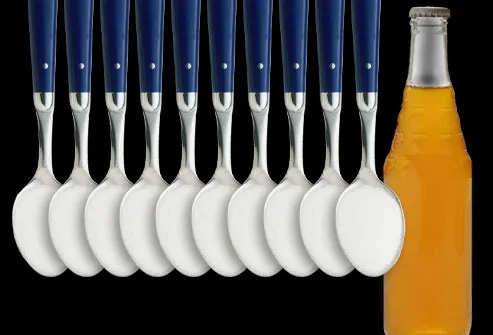
Before I go on a rant about how awful these drinks are for your body, I want you to visualize how much sugar you're actually taking in. Measure out 10 teaspoons of sugar and put it on a plate. That's the amount of sugar you're consuming every time you drink a single Coke! Nasty! It's amazing that a drink would ever need that much sugar to taste good.
So how does all of that sugar effect your body? If you drink one Coke per day, something most people think is pretty harmless, it adds up to 980 calories per week and 51,100 calories per year...that's about 1/3 of a pound per week and 14.6 pounds per year. And that's only drinking one Coke per day. If you drink two Cokes per day that doubles to about 2/3 of a pound per week and 29 pounds per year! Think of all the hard work in the gym it takes to lose that kind of weight. Better yet, think of how much better your results would be--and your body would look--if you cut out these sugary drinks altogether.
Here are a few of the other ways soda and sugary drinks have a negative impact on our overall health:
- They're a leading cause of obesity.
- They have no nutritional value, protein, healthy fats, vitamins, or minerals.
- They take up a part of your daily caloric allowance that could better be spent on nutritious, whole foods.
- They stimulate appetite and cause you to eat and drink more. Soda and sugary drinks are empty calories that won't fill you up and will keep you feeling dissatisfied.
- Their high sugar content spikes insulin levels, which causes the body to store excess fat. Additionally, the large HFCS content will cause the body to store even more body fat. Every single soda or sugar-laden drink you gulp down will literally make you fatter. For a more comprehensive explanation of how insulin and HFCS effect body fat levels check out my post at http://bryanfitlife.blogspot.com/2010/03/understanding-insulin-hfcs-and-carbs.html
- Guzzling these drinks often will repeatedly spike your insulin, cause insulin resistance, and eventually lead to Type-II Diabetes. Not fun.
- By drinking soda and sugary drinks you end up drinking less water, milk, green tea, or other drinks that can have a positive impact on your health.
- They can cause acne and blemished skin.
- They can cause cavities, tooth decay, and poor oral health.
- Soda causes bone weakening. The phosphorus in soda saps calcium from our bones, making them more frail and prone to injury.
May 31, 2010
The Healthiest Drinks on the Planet
Drinking sugary, liquid calories is a sure bet to a bigger belly. Even though the majority of commercial drinks available fit that description, there are a plethora of beverages vital to good health and a lean body. This is my list of the healthiest super-elixirs on the planet. Guzzling the drinks on this list can help fend off nasty diseases, increase life span, incinerate fat, and keep your body healthy on a number of levels.
The SuperStars
Water - Where else would this list start? Water is the essence of life and the regulator of the body's function. Plain and simple, if you don't drink water you will die. Some of its functions include:
- Regulates internal body temperature through perspiration and helps maintain proper metabolism.
- Prevents dehydration.
- Cushions joints and prevents shock damage.
- Facilitates chemical reactions inside of the body.
- Flushes out toxins through sweating and urination.
- Carries oxygen and nutrients to cells.
- Besides keeping us alive, water is also incredibly powerful as a weight loss tool. Drinking water is a great appetite suppressant and keeps the body's metabolism revved up constantly. Oh, and it has no calories, preservatives, or chemicals.
- Fun Facts: Drinking ice cold water has been shown to:
- Boost metabolism more so than lukewarm or slightly cold water
- Improve cardiovascular endurance if consumed prior to exercise.
- My Choice: You can't go wrong with a big glass of ice cold tap water (if you live in an area with clean, tasty water). Not to mention it doesn't cost anything. If tap water is problematic, a great alternative is to buy a Brita filter or some other sort of water filter. For bottled water, I prefer Dasani, Fiji, or Aquafina.
- It has no calories and is a powerful appetite suppressant, which curbs hunger pangs and helps you eat less. It also speeds up metabolic rate, improves insulin sensitivity, and promotes thermogenesis (the body produces more heat, which burns calories). All of these things equate to more calories and fat burned >>>> a leaner you.
- It boosts alertness and mental awareness without jitters or hyperactivity. It's perfect for jump starting a long day or enhancing your focus on a test. It'll keep you sharp, but you'll stay calm and relaxed.
- It contains fluoride which strengthens teeth and helps prevent cavities. It also wards off bad breath.
- It contains a large amount of flavonoids, polyphenols, and other powerful antioxidants which neutralize free radicals, slow the body's aging, and help prevent/fight various health conditions including: cancer, diabetes, cardiovascular disease, stroke, depression, and others (see my antioxidant post for more in-depth information).
- It reduces stress, creates relaxation, and boosts the immune system.
- Facts you may not know:
- Adding milk to tea blocks the absorption of antioxidants, which reduces its health benefits.
- Adding citrus enhances the body's ability to absorb antioxidants, which enhances the health effects.
- Decaf tea has nearly half the antioxidant content as its caffeinated counterpart, not to mention you also lose the alertness and metabolism boost complements of the caffeine.
- My Choice: For tea bags, I love Yogi tea. They make tons of different versions for a variety of purposes. My favorites are the Muscle Recovery and Super Antioxidant versions. I drink it plain, no sugar or milk, sometimes with a squeeze of lemon juice. If you need it sweetened opt for a Stevia based sweetener, or add some honey which provides natural sweetness and additional antioxidants (1 tsp only has about 60 calories). For bottled versions, Honest Tea is a good option with only about 10g of sugar and 60 calories per bottle.
- The Ban List: Stay away from most commercial green tea drinks, most of them are loaded with sugar and calories. Even diet types are typically loaded with chemicals and nasty artificial sweeteners. Snapple's Green Tea has 120 calories and 30 grams of sugar, that's almost as much as a can of Coke. Also, check the ingredients label. Sugar is listed before green tea concentrate on the ingredients list, which means that the drink has more sugar than tea.
Campbell's V8 Low Sodium, and Tomato Juice: V8 is one of the best commercially available drinks. It's a great substitute for those who don't have time to eat whole veggies throughout the day. V8 is free of added sugar, artificial sweeteners, colors, and preservatives, and contains 8 different veggies! (spinach, carrots, beets, celery, parsley, lettuce, tomato, and watercress). An 8 oz can has a negligible 51 calories and even contains 2g of filling fiber. It's also high in the antioxidant vitamins A (40%) and C (120%), and the electrolyte potassium (23%) which can help decrease the risk of stroke.
- The Ban List: Watch out for the regular version of V8. An 8 oz serving has 25% of your daily sodium intake (625mg). Stick with the low sodium version which has a mere 95mg of sodium. Also stay away from V8 Splash--it has only 10% juice and the first two ingredients are water and high fructose corn syrup. Yuck!
Interesting Facts:
- Kefir is a great alternative to milk for those who are lactose intolerant. It's bacteria naturally breaks down lactose in the stomach--perfect for those who lack the natural lactase enzyme.
- It fights breast cancer. A study published in the Journal of Medicinal Foods in 2007 showed that certain parts of kefir specifically target and halt the growth of breast cancer cells. Women diagnosed with breast cancer have begun to switch over from milk to kefir to gain it's potentially curing benefits.
- Orange Juice: OJ, the king of the breakfast realm, has been turned into an health atrocity by many companies through the addition of unnecessary sugar, chemicals, preservatives, and HFCS. Regardless, fresh squeezed or 100% natural OJ remains a very healthy choice to start the day. One glass of OJ contains 100% of your daily vitamin C requirement--an antioxidant vitamin vital to proper gum health and iron absorption. It can also help boost immunity and protect against cataracts.
- My Choice: Simply Orange is one of my favorite store bought brands. It's completely natural and delicious. It even comes in different varieties of OJ like pineapple and mango orange juice. Tropicana is also a good option. Check the ingredients and make sure there are no added sugars or HFCS.
- Coffee: Besides the one negative that it stains teeth, it's loaded with healthy antioxidants and caffeine. It boosts alertness, speeds up metabolism, and even improves circulation and cardiovascular health. Definitely a smart smart to any day.
- Watch Out For: Coffee is healthy dressed down, not so much dressed up. Go easy on the artificial sweeteners and sugar, and definitely avoid the dessert-like coffee options at Starbucks and Dunkin Donuts. Frappuwhachino, Moccapocalatte...I don't know the names, I just know that when you start messing around with coffee and adding whipped cream, sugar, chocolate, and all kinds of syrups it turns into a high calorie, fat, chemical, and sugar ridden mess.
- Red Wine: As long as you drink it in moderation, red wine is loaded with antioxidants called polyphenols which can help ward off disease. Drinking a glass of red wine per day can also have positive effects on human HDL cholesterol. If you prefer non-alcoholic drinks, natural grape juice provides the antioxidant benefits (but not the cholesterol benefits).
- Cranberry Juice: The anti-bacterial properties in cranberry juice helps prevent gum disease and urinary tract infection. A component called nondialysable material (NDM) helps stop bacteria from sticking to gums and causing problems.
- A Good Beer: 1 drink a day has been shown to positively affect cholesterol ratios in humans. More importantly, a beer a day is great for relaxing, de-stressing, and having fun. Emotional health is important too!
- Key: Moderation. Once you hit the third beer you begin packing on the calories, fat, and lose all of the health benefits. Find a good beer you enjoy and sip it slowly. I prefer Guinness or Hoegaarden.
May 16, 2010
Antioxidants 101: Everything You'd Ever Need/Want to Know About Antioxidants
Antioxidants are the body's anti-aging, disease fighting super-enzymes that protect it from oxidative damage. What is oxidative damage? Think about an apple or avocado turning brown, or rust that forms on metal when it's left outside for too long--that's oxidative damage. It's literally the aging of our cells. Whenever our cells use oxygen they produce harmful by-products called free-radicals. These free-radicals are responsible for the oxidative damage that contributes to the development of numerous health problems including: heart disease, inflammation, atherosclerosis, blood clots, premature aging, bad skin, macular degeneration, diabetes, cancer, DNA damage, and many others. Antioxidants act to neutralize free-radicals and protect our body from the excessive damage that results.
How Do Antioxidants and Free-Radicals Work?
In order to truly understand how antioxidants and free-radicals function, it's important to understand how they work on the cellular level. Atoms have an outer shell that contains 8 electrons. When this shell is full the atom is stable, when it's not full (when it has less than 8 electrons) it's unstable. An atom's goal is always to be stable. Atoms bond with other unstable atoms by giving, taking, or sharing an electron.
Free-radicals are naturally occurring, unstable oxygen atoms that are missing an electron from their outer shell. Like all other atoms, a free-radical's goal is to find an electron so that it can become stable. They float around the body searching ruthlessly for healthy cells/molecules that they can steal an electron from. Once the free-radical steals an electron from a healthy molecule, that target molecule now becomes a new free-radical (it has one less electron now, making it unstable). This newly created free-radical now repeats the same process and searches for another healthy molecule to steal an electron from. This process goes on and on and sets off a chain reaction which causes cell and tissue damage, the aforementioned diseases, and early aging.
Antioxidants are like the anti-terrorist forces of our body. Their job is to repair oxidative damage, seek out any nasty free-radicals floating throughout the body, and prevent them from harming healthy cells. Antioxidants have an unusual characteristic which allows them to remain stable when they have fewer than 8 electrons in their outer shell. When an antioxidant finds a free-radical it donates an electron, which neutralizes the free-radical by making it stable. Because of an antioxidant's unusual properties it does not become a free-radical itself when it donates an electron.
How Do I Get More Antioxidants?
Although the body produces antioxidants naturally as enzymes, it doesn't produce nearly enough on its own to fully protect the body against free-radicals. If naturally produced free-radicals weren't bad enough, even more are created via pollution, cigarette smoke, and other environmental factors. Because of this it's critical to provide the body with a constant supply of antioxidants through foods and drinks rich in antioxidant content. You'll stay younger, healthier, and be less prone to disease. Here are a few different types of antioxidant vitamins, enzymes, and chemicals.
Antioxidant Vitamins
Best Sources of Antioxidants
The Journal of Agricultural and Food Chemistry measured the antioxidant content of over 100 common foods, they ranked as follows:
Interestingly, beans, potatoes, and pecans rank amongst the top 20. Red wine, blueberries, green tea, and dark chocolate have been long-touted as the kings of powerful antioxidant content, but many other foods also have extremely high antioxidant capabilities. Overall great sources of antioxidants include:
There are tons of delicious sources of antioxidants. There's no reason to spend a lot of money on expensive antioxidant supplements or pills. Every day try to choose as many foods as possible with high antioxidant content. Grab an orange as a healthy snack, sip a cup of green tea or coffee in the morning before work or school, or just sprinkle some blueberries and cinnamon on a big bowl of oatmeal. The possibilities are endless, get creative with it!
How Do Antioxidants and Free-Radicals Work?
In order to truly understand how antioxidants and free-radicals function, it's important to understand how they work on the cellular level. Atoms have an outer shell that contains 8 electrons. When this shell is full the atom is stable, when it's not full (when it has less than 8 electrons) it's unstable. An atom's goal is always to be stable. Atoms bond with other unstable atoms by giving, taking, or sharing an electron.
Free-radicals are naturally occurring, unstable oxygen atoms that are missing an electron from their outer shell. Like all other atoms, a free-radical's goal is to find an electron so that it can become stable. They float around the body searching ruthlessly for healthy cells/molecules that they can steal an electron from. Once the free-radical steals an electron from a healthy molecule, that target molecule now becomes a new free-radical (it has one less electron now, making it unstable). This newly created free-radical now repeats the same process and searches for another healthy molecule to steal an electron from. This process goes on and on and sets off a chain reaction which causes cell and tissue damage, the aforementioned diseases, and early aging.
Antioxidants are like the anti-terrorist forces of our body. Their job is to repair oxidative damage, seek out any nasty free-radicals floating throughout the body, and prevent them from harming healthy cells. Antioxidants have an unusual characteristic which allows them to remain stable when they have fewer than 8 electrons in their outer shell. When an antioxidant finds a free-radical it donates an electron, which neutralizes the free-radical by making it stable. Because of an antioxidant's unusual properties it does not become a free-radical itself when it donates an electron.
How Do I Get More Antioxidants?
Although the body produces antioxidants naturally as enzymes, it doesn't produce nearly enough on its own to fully protect the body against free-radicals. If naturally produced free-radicals weren't bad enough, even more are created via pollution, cigarette smoke, and other environmental factors. Because of this it's critical to provide the body with a constant supply of antioxidants through foods and drinks rich in antioxidant content. You'll stay younger, healthier, and be less prone to disease. Here are a few different types of antioxidant vitamins, enzymes, and chemicals.
Antioxidant Vitamins
- Vitamin E: nuts and seeds, avocados, olive/safflower/sunflower oils, wheat germ, liver, leafy green vegetables.
- Vitamin C (aka ascorbic acid): citrus fruits, green peppers, broccoli, green leafy vegetables, strawberries, tomatoes, cantaloupe, potatoes.
- Vitamin A, Beta-Carotene and carotenoids: orange/green/yellow vegetables and fruits such as squash, cantaloupe, mango, papaya, pumpkin, green leafy vegetables.
- Selenium: seafood, red meat, pork, chicken, wheat bread, eggs, chicken, garlic
- Flavonoids / polyphenols (such as anthocyanins, resveratrol, quercitin, and catechins): red wine, purple grapes, blueberries, cranberries, pomegranate, cranberries, tea.
- Lycopene: Tomato and tomato products, pink grapefruit, watermelon
- Lutein: dark green leafy vegetables
- Lignan: flax seed and other seeds, oatmeal
- Phytic Acid: Whole grains, beans
- Coenzyme Q10 (CoQ10): Comes in supplement/pill form
Best Sources of Antioxidants
The Journal of Agricultural and Food Chemistry measured the antioxidant content of over 100 common foods, they ranked as follows:
Rank | Food item | Serving size | Total antioxidant capacity per serving size | ||||||||||||||||||||||||||||||||||||||||||||||||||||||||||||||||||||||||||||||||||||||||||||||||
1 | Small Red Bean (dried) | Half cup | 13727 | ||||||||||||||||||||||||||||||||||||||||||||||||||||||||||||||||||||||||||||||||||||||||||||||||
2 | Wild blueberry | 1 cup | 13427 | ||||||||||||||||||||||||||||||||||||||||||||||||||||||||||||||||||||||||||||||||||||||||||||||||
3 | Red kidney bean (dried) | Half cup | 13259 | ||||||||||||||||||||||||||||||||||||||||||||||||||||||||||||||||||||||||||||||||||||||||||||||||
4 | Pinto bean | Half cup | 11864 | ||||||||||||||||||||||||||||||||||||||||||||||||||||||||||||||||||||||||||||||||||||||||||||||||
5 | Blueberry (cultivated) | 1 cup | 9019 | ||||||||||||||||||||||||||||||||||||||||||||||||||||||||||||||||||||||||||||||||||||||||||||||||
6 | Cranberry | 1 cup (whole) | 8983 | ||||||||||||||||||||||||||||||||||||||||||||||||||||||||||||||||||||||||||||||||||||||||||||||||
7 | Artichoke (cooked) | 1 cup (hearts) | 7904 | ||||||||||||||||||||||||||||||||||||||||||||||||||||||||||||||||||||||||||||||||||||||||||||||||
8 | Blackberry | 1 cup | 7701 | ||||||||||||||||||||||||||||||||||||||||||||||||||||||||||||||||||||||||||||||||||||||||||||||||
9 | Dried Prune | Half cup | 7291 | ||||||||||||||||||||||||||||||||||||||||||||||||||||||||||||||||||||||||||||||||||||||||||||||||
10 | Raspberry | 1 cup | 6058 | ||||||||||||||||||||||||||||||||||||||||||||||||||||||||||||||||||||||||||||||||||||||||||||||||
11 | Strawberry | 1 cup | 5938 | ||||||||||||||||||||||||||||||||||||||||||||||||||||||||||||||||||||||||||||||||||||||||||||||||
12 | Red Delicious apple | One | 5900 | ||||||||||||||||||||||||||||||||||||||||||||||||||||||||||||||||||||||||||||||||||||||||||||||||
13 | Granny Smith apple | One | 5381 | ||||||||||||||||||||||||||||||||||||||||||||||||||||||||||||||||||||||||||||||||||||||||||||||||
14 | Pecan | 1 ounce | 5095 | ||||||||||||||||||||||||||||||||||||||||||||||||||||||||||||||||||||||||||||||||||||||||||||||||
15 | Sweet cherry | 1 cup | 4873 | ||||||||||||||||||||||||||||||||||||||||||||||||||||||||||||||||||||||||||||||||||||||||||||||||
16 | Black plum | One | 4844 | ||||||||||||||||||||||||||||||||||||||||||||||||||||||||||||||||||||||||||||||||||||||||||||||||
17 | Russet potato (cooked) | One | 4649 | ||||||||||||||||||||||||||||||||||||||||||||||||||||||||||||||||||||||||||||||||||||||||||||||||
18 | Black bean (dried) | Half cup | 4181 | ||||||||||||||||||||||||||||||||||||||||||||||||||||||||||||||||||||||||||||||||||||||||||||||||
19 | Plum | One | 4118 | ||||||||||||||||||||||||||||||||||||||||||||||||||||||||||||||||||||||||||||||||||||||||||||||||
20 | Gala apple | One | 3903 | ||||||||||||||||||||||||||||||||||||||||||||||||||||||||||||||||||||||||||||||||||||||||||||||||
Interestingly, beans, potatoes, and pecans rank amongst the top 20. Red wine, blueberries, green tea, and dark chocolate have been long-touted as the kings of powerful antioxidant content, but many other foods also have extremely high antioxidant capabilities. Overall great sources of antioxidants include:
- Red Wine and red grapes
- Green Tea and other teas
- Coffee
- Different types of berries: blueberries, blackberries, raspberries, strawberries, cranberries, etc.
- Tomatoes
- Spinach, kale, brussel sprouts
- Potatoes
- All types of fruits and vegetables
- Acai
- High Cocao content chocolate, in particular dark chocolate
- Beans
- Flax seeds and other types of seeds
- Nuts
- Whole grains
- Garlic
- A variety of spices such as cinnamon, cloves, oregano, and turmeric
| Food | Serving | ORAC (umol TE per serving) |
| Cinnamon (ground) | 1 tsp | 6956 |
| Cloves (ground) | 1 tsp | 6199 |
| Pomegranate Juice | 1/2 cup | 5853 |
| Red Wine | 5 fl. oz | 5693 |
| Oregano (dried) | 1 tsp | 3602 |
| Turmeric (ground) | 1 tsp | 3504 |
| Blueberries | 1/2 cup | 4792 |
| Green Tea (brewed) | 1 cup | 2970 |
| Strawberries | 1/2 cup | 2969 |
| Parsley (dried) | 1 tsp | 1869 |
| Asparagus | 1/2 cup | 1441 |
| Red Grapes | 1/2 cup | 951 |
There are tons of delicious sources of antioxidants. There's no reason to spend a lot of money on expensive antioxidant supplements or pills. Every day try to choose as many foods as possible with high antioxidant content. Grab an orange as a healthy snack, sip a cup of green tea or coffee in the morning before work or school, or just sprinkle some blueberries and cinnamon on a big bowl of oatmeal. The possibilities are endless, get creative with it!
May 2, 2010
The Skinny On Popular Alcoholic Drinks...Well Maybe Not So Skinny
It's just about that time of year again...summer! That means BBQs, bikinis, beach, and fun drinks with mini umbrellas...woohoo! Unfortunately, indulging in umbrella drinks is a great way to destroy that beach body you devoted countless hours to. Here's a list of the most fattening alcoholic drinks known to man. If you love summertime drinking, or just drinking all year round, beware of the following cocktails and stick to healthier alternatives. You'll preserve your waistline and save yourself the hassle of buying a bigger bikini down the road.
- 12 oz Long Island Iced Tea - 780 calories, 44g carbs. Are we drinking, or are we eating a meal? You could eat a big mac and small fries from McDonald's for less calories. Leave it for the guidos. Swap out the Coke for Diet Coke and skip the lemon juice, you'll save over 200 calories and a lot of sugar.
- 12 oz Margarita - 740 calories, 56g carbs. Aye yai yai! You're better off eating a meal at Chipotle. Swap it out for a corona with lime. You'll save about 600 calories. Plus you can be really cool and listen to Shwayze and rock out!
- 6 oz Pina Colada - 644 calories, 90g carbs. This things not only loaded with calories, but it's also got a ton of sugar and fat.
- 5 oz White Russian - 425 calories, 26g carbs. Any cocktail that's made with cream is always going to be high in calories, fat, and sugar. This is nothing more than a drinkable dessert.
- 4.5 oz Mai Tai - 350 calories, 35g carbs. This tropical mix looks really pretty in a glass. Enjoy it while it lasts...its good looks won't transfer over with it.
- Gin or Vodka with Tonic - 200 calories, 14g carbs. Not awful, but swap the tonic out for seltzer or diet soda and you'll save over 100 calories.
- 10 oz Banana/Strawberry Daiquiri - 614 calories. See Pina Colada.
- 6 oz Chocolate Martini - 438 calories.
- Samuel Adams Triple Bock - 340 calories. Highest calorie beer on the market.
- Sierra Nevada Bigfoot - 330 calories.
- 10 oz Rum and Coke - 356 calories. Switch out the Coke for Diet Coke and save over 120 calories.
- Jager Bomb - 200 calories. Jager bombs are a lot of fun, but use carb-free Red Bull. You'll save 100 calories and a lot of sugar.
- Mudslide - 417 calories. Sugary, fatty mess.
- Rum and Diet Coke - Only 65 calories.
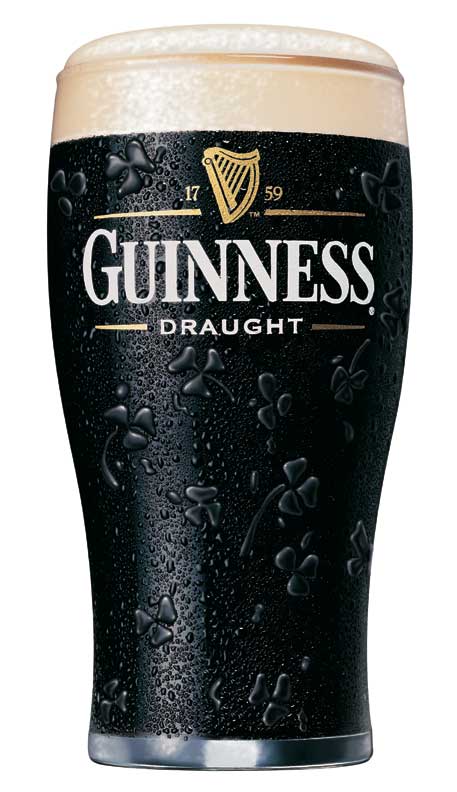
- Guinness Draught - 120 calories. My favorite! Thick, creamy, delicious, and filling for only 120 calories. Extremely low in calories for a non-light beer.
- Flavored Vodka and Seltzer - 65 calories. If you like vodka this adds some bubbles. For flavored vodka try 3 Olives. It's smooth and comes in 16 great flavors, including root beer.
- Glass of Red/White Wine - ~100 calories. Red wine is a great option because it has high antioxidant content and improves blood cholesterol.
- 5 oz Bloody Mary - 120 calories. The vitamins and minerals from the tomato juice/celery are a nice addition. Add some Tabasco sauce for a kick.
- White Wine Spritzer - ~ 100 calories. Adds some bubbles to white wine.
- Vodka and Diet Cranberry - 100 calories.
- Amstel Light - 95 calories, 5g carbs. Low carbs for a beer.
- Corona Light w. Lime - 105 calories, 5g carbs. Great summer beer. This is a better alternative to Bud Light Lime which has 116 calories and 8g carbs. Corona Light w. Lime tastes a lot better too.
- Heineken Light - 99 calories, 6.8g carbs.
- Miller Light - 96 calories, 3.2 g carbs. One of the lowest calorie/carb beers.
- Yuengling Light - 98 calories, 6.6g carbs.
Subscribe to:
Posts (Atom)