My Twitter Feed

Showing posts with label Nutrition Science. Show all posts

Apr 3, 2011

Protein: The #1 Tool for Getting Lean and Muscular, Plus a Comprehensive List of the Best Sources of Protein (for Vegetarians Too)


I'm a HUGE proponent of getting a lot of protein in the diet, and it's not all about building huge, beefy muscles (although it helps a lot if that's what you're going for). Put plain and simply, protein is the "leanness" nutrient. It helps pack on toned-up, rock hard new muscle, preserves the muscle that the body (and you) busted its ass to build up, and elevates the body's metabolism, burning extra calories than normal and shredding off nasty body fat/cellulite. 

I'll be blunt--becoming lean, toned, and ripped up (I'd call it sexy) requires two simple steps: 1. building muscle tone & 2. shredding body fat. Eating protein constantly throughout the day does both simultaneously. Here's how:
  • Building muscle tone. In the world of sports nutrition there's a critical concept called nitrogen balance (NB). Whenever you eat protein throughout the day it increases the amount of nitrogen in the body. Building new muscle, maintaining muscle, and losing muscle is, for the most part, determined by the amount of nitrogen present in the body. NB is a running tally that directly compares the amount of nitrogen that's taken in through the protein you eat to the amount of nitrogen that's excreted through urine/feces. 
    • When that balance is positive the body is able to pack on new muscle, when it's negative the body starts breaking down muscle and using it as fuel. Eating a steady stream of protein throughout the day, at every meal, ensures that you'll always be in the positive. All the cool kids have a positive NB...just saying.
  • Shredding body fat. Protein is able to put the body's metabolism into hyperdrive because it's thermogenic. Most people have heard, at some point or another, that eating celery actually has "negative calories" because the body burns off more calories digesting the celery than it does eating it (it's true by the way, if you were curious). That's thermogenics. It's basically a term used to describe the amount of calories that the body burns by biting, chewing, digesting, swallowing, metabolizing, and storing food. It also raises the body's metabolism and core temperature. 
    • Protein is extremely thermogenic (along with ice cold water, green tea, coffee, and hot sauce/spicy food) and has been shown to burn up to 30% of its cals through thermogenesis alone. You know I'm insane when one of my hobbies is maximizing thermogenesis... 
Now that you know why protein can get you ripped up, you gotta pump that protein into your diet. The chart below lists the amount of protein in a ton of high-protein foods on a 100 calorie basis--that way you can compare foods directly, calorie-by-calorie. Vegetarian sources of protein are highlighted in green, fish is highlighted in blue.

And yeah...that says beluga whale. Whaddup...start whaling. 


Source: http://fatsecret.com/, http://disantosfitlife.com/

Mar 8, 2011

A Picture of HFCS & Obesity...or Two

This stuff is nasty...cut it out. 

Although I don't think that obesity can be directly attributed to only increased high fructose corn syrup (HFCS) consumption, there's no doubt that HFCS has been one of the major factors.

I've posted on HFCS and insulin before (here), but here's a quick recap of what HFCS does to the body.

The High Fructose Corn Syrup (HFCS) Story:
  • There are many different types of sugar, a few include: lactose, which is found in dairy products, fructose, which is found in fruits, and glucose which is a product of carbohydrate breakdown. These sugars are not chemically identical and have much different effects on our blood sugar levels. Most fruits have a relatively low glycemic index value (low glycemic index foods raise blood sugar levels at a slower rate). Even though they're high in sugar, they're slower digesting because they're primarily composed of fructose (which digests slower than other types of sugar).
  • Sugar is made up of 50% fructose and 50% glucose. HFCS is a chemical meant to imitate sugar that's made up of a higher % of fructose depending on the type (hence the name "high fructose"). Typical HFCS is 55% fructose, 45% glucose, but some variations can go as high as 92% fructose. 
  • The issue with HFCS is that our body, in particularly the liver, isn't used to such a high % of fructose in normal sugar.
  • The high fructose component of HFCS is sent directly to the liver and completely bypasses the bloodstream. In the 1000 years of existence our liver has never had to deal with such a high amount of fructose in sugar. It doesn't know what to do with it--so it converts it into fat immediately and sends it out to the fat tissue to be stored. 
  • What's even worst is that because HFCS skips the bloodstream it has no effect on our hunger levels and we keep eating more and more. Because we never get any hungrier this creates an endless cycle of HFCS consumption, fat gain, and ultimately obesity. 
The rest of the story in pictures...

http://www.oneclickdiet.com/high_fructose_corn_syrup_consumption.html

Dec 16, 2010

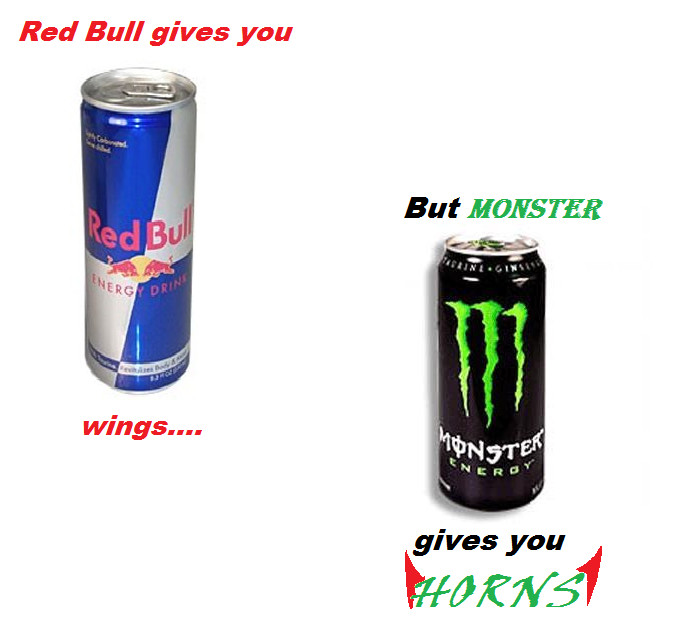
The Complete Guide to Red Bull Ingredients, Monster Ingredients


Surprising Fact of the Day: Last year 3.9 BILLION cans of Red Bull were consumed worldwide. 

That's pretty astonishing. I always knew Red Bull was popular...but that popular? Really? If you look around it's actually pretty interesting just how common it is to see someone drinking a Red Bull, Monster, or whatever other energy drink. If not that then it's one of those doofy looking Red Bull cars.

It's crazy just how frequently people rely on energy drinks to provide an extra boost of energy. What the majority of people don't realize though is that these drinks actually have a ton of other effects on the body other than providing an extra surge of energy. If you've ever taken the time to read the can you'll see ingredients like caffeine, taurine, l-carnitine, guarana, glucuronolactone, and a bunch of other ridiculous names. I'm pretty sure everyone's aware of caffeine's role in increasing alertness, attentiveness, and speeding up the heart and metabolism (click here for a detailed description of what caffeine does and how it works), but I really doubt that the ordinary consumer knows what l-carnitine or any of the other ingredients do. Well, voila...I have the answers! For every ingredient.

Monster

  • Glucose and Sucrose - Quite simply...sugar. 
  • Sodium Citrate - Used as a preservative and adds a sour/acidic taste. Responsible for the 200mg of sodium. Nothing too important.
  • Taurine - Nonessential amino acid that plays a major role in brain tissue and nervous system function. Taurine is an incredibly strong antioxidant, acts as a blood thinner (reduces blood clots), and has been shown to decrease numerous risk factors for heart disease, such as LDL cholesterol (the bad kind), triglycerides, and blood pressure. It also acts as an inhibitory neurotransmitter, which may help reduce the jitters associated with the high caffeine content. Taurine is NOT a stimulant. It's interesting, but taurine is most likely included to offset the rise in blood pressure and the jitters caused by the caffeine content. Thumbs up.
  • Glucuronolactone - a metabolite produced by the body that boosts energy, increases the feeling of well-being, reduces drowsiness, and increases attentiveness/reaction time. Glucuronolactone also has a detoxifying effect on the liver and can help spare glycogen stores--stored carbohydrates that supply muscles with energy during intense workouts. Glucuronolactone = muscular endurance.
  • Caffeine - Increases alertness, attentiveness, reaction time, heart rate, and metabolism, as well as the % of body fat burned (compared to carbs). It can also cause jitters and raise blood pressure. Monster contains 10mg caffeine/oz, so about 160mg per can. Red Bull contains 9.5mg caffeine/oz, so about 80mg per 8.4oz can (small).
  • Inositol - Although it's not officially a part of the B-vitamin group, it's recognized as Vitamin B8. Inositol plays a major role in the formation of cell membranes, regulates proper fat and carb metabolism, and also helps prevent excess fat buildup in the liver. Inositol combines with choline to form a compound called lecithin, which helps reduce cholesterol levels. Interestingly, inositol is vital for proper hair growth and can help prevent constipation. Inositol has also been shown to improve mood and has been used in the treatment of depression and bi-polar disorder. Powerful stuff.
  • Niacinamide (aka niacin/B3) - Niacin is an essential vitamin that's used for the metabolism of fats and carbohydrates, as well as fatty acid synthesis. It's also used to treat high cholesterol and certain skin conditions. 
  • Calcium Pantothenate (aka Pantothenic Acid/B5) - Helps release energy from carbs and fat. Yay for energy production.
  • Pyridoxine HCL (aka B6) - Important for amino acid/protein metabolism. B6 is especially important for people that eat high amounts of protein. Interestingly, B6 has been shown to increase the amount of growth hormone released as a result of exercise...phenomenal for anyone trying to put on muscle mass. 
  • Vitamin B12 - Major source of energy for the body, supports new cell growth, and helps with the production of red blood cells. B12 is commonly used by athletes to boost energy production and increase power. 
  • Guarana - Guarana is basically herbal caffeine. This stuff is potent. Guarana seeds contain 3x the amount of caffeine as coffee. Needless to say, guarana is a major stimulant and produces the same effects as caffeine. One important thing to note about guarana is that its caffeine content doesn't have to be included on the label, which results in higher than labeled amounts of caffeine. Drinks that combine guarana and caffeine, like Monster, are basically powerful "mega-stimulants."
  • L-carnitine - I LOVE carnitine. Carnitine is a naturally occurring substance that helps release stored body fat (triglycerides) into the bloodstream to be used as energy. Physiologically, carnitine helps transfer long-chain fatty acids into the mitochondria for energy production. What does all that mean? FAT BURNING!! Not only does carnitine help increase the rate of fat loss, but it has also been shown to increase muscular strength and endurance, increase energy levels, reduce muscular soreness, decrease appetite, and reduce the amount of amino acids used for energy, thus preserving muscle mass. Carnitine has also been proven to benefit cardiovascular health by improving blood flow. Carnitine is a phenomenal ingredient with a ton of beneficial effects...Monster did well with this one.
  • Maltodextrin - Food additive that digests really quickly. Maltodextrin is an unhealthy additive because of its ability to quickly spike blood sugar levels, increase insulin levels, and increase the storage of body fat. Yuck...
Go ahead, enjoy an occasional Red Bull or Monster if you need that extra boost of energy, but don't overdo it. I also only support the low carb/low sugar varieties...the regular versions have absurdly high levels of sugar and are pretty high in calories...not good for staying lean and mean. 

Dec 7, 2010

Secret Superfood: Cinnamon


For some weird reason cinnamon has turned into the sidekick of about every baked dessert on earth. When you think about cinnamon what pops into your head? Cinnamon buns, cinnamon raisin bagels, apple-cinnamon pie, egg nog with cinnamon, yada yada yada...what the hell is going on!! No doubt cinnamon tastes absolutely phenomenal when paired with sweet, fatty, sugary deliciousness, but did you know that cinnamon is in fact one of the healthiest foods on earth? It's pretty incredible that a little sprinkle of brown, sweet-smelling, flavor-packed ground cinnamon can have so many potential health benefits. Here's to cinnamon and recreating its image as a health food. 

The Many Health Benefits of Cinnamon:
  • Extremely high antioxidant content: Statistically, on a gram by gram basis, cinnamon has the third highest antioxidant content of any food or spice on earth. That's some powerful stuff. The high antioxidant content helps protect against early aging, cancer, diabetes, heart disease, inflammation, and a boatload of other health conditions (click here if you want the full story on antioxidants).
  • Prevents excess blood clotting: The cinnamaldehyde in cinnamon prevents platelets from clumping up excessively, which can cause blockages and restrict blood flow. 
  • Prevents inflammation and reduces arthritis pain: Cinnamon inhibits the body's release of arachidonic acid, a fatty acid that causes excessive inflammation in the body. Inflammation is most notably known for causing the pain that goes along with arthritis, but it also causes heart disease, stroke, diabetes and other health conditions.
  • Kills bacteria and serves as a natural preservative: The oil in cinnamon can help kill many species of harmful bacteria, as well as prevent the growth of fungi. Not only does this kill nasty foodborne pathogens that often make people sick, but it also prevents foods from spoiling.
  • Controls blood sugar, prevents type-2 diabetes, and reduces the storage of body fat: Cinnamon slows the rate at which carbs leave the stomach and reduces how fast blood sugar levels rise after you eat a meal. This is extremely beneficial because it helps minimize spikes in insulin levels, which reduces the potential for your body to store carbs as body fat. Keeping blood sugar levels under control also helps prevent the development of type-2 diabetes and decreases appetite. It's interesting to think about, but this is probably one of the reasons why sugary baked goods are so often made with cinnamon.
  • Helps with weight management: Via controlled blood sugar levels, which reduces the storage of body fat and helps regulate hunger levels.
  • Increases insulin sensitivity: Cinnamon helps improve the body's ability to respond to insulin. When the body begins to lose its ability to react to insulin, the product of repeatedly spiking blood sugar levels and releasing excess insulin, it embarks on the path towards type-2 diabetes. Cinnamon can help reduce this insulin resistance (aka increases the body's sensitivity to insulin). Considering just how fast the prevalence of diabetes is rising in the US, I think cinnamon should officially be added to all processed carbohydrates, sugary foods, cereals, and baked goods. Just saying.
  • In people with type-2 diabetes, cinnamon has been shown to reduce levels of triglycerides, LDL cholesterol (bad) and total cholesterol, all of which are major risk factors for coronary heart disease: In 2003, the medical journal Diabetes Care conducted a study to test the effects of cinnamon supplementation on 60 type-2 diabetes patients. After 40 days the cinnamon group showed a 23-30% decrease in triglycerides, 12-26% decrease in total cholesterol, 7-27% decrease in LDL cholesterol, and a 18-29% reduction in blood sugar, while the control group showed no noticeable health improvements. That's a pretty incredible reduction for a short two month period.
  • Lowers LDL cholesterol (bad) in all people
  • Effective remedy for migraines and headaches
  • Alleviates toothache pain
  • No calories
  • Adds a lot of flavor without any extra fat, sugar, or calories
  • Great source of manganese (enzyme) and dietary fiber

Oct 12, 2010

Is Caffeine Healthy? Let The Debate Begin...


Is caffeine really healthy? That question has been asked a trillion, gazillion times, yet I still don't believe that the debate is anywhere near settled. On one side you have the group of people who live off of coffee and other caffeinated beverages. Coffee, red bull, and other energy drinks are their way of staying alert, getting through the day, and being as productive as possible. Over 80% of Americans drink at least one cup of coffee daily, it must be doing something magical...


On the other end you have the people who are adamantly against caffeine and swear that it does nothing but harm to the body. Who would want to drink something that raises heart rate, causes anxiety, and makes it hard to fall asleep? Who's really right? Well, truthfully...neither...the answer falls somewhere in the middle.


You're probably sick of hearing this, but the solution is moderation. Moderation seems to be the solution to everything, huh?


What is caffeine, how does it work, and what does it do? Caffeine is a stimulant that occurs naturally in a variety of plants such as coffee beans, tea leaves, and cocoa beans. Caffeine functions by inhibiting a substance in the body known as adenosine. Adenosine plays a major role in energy transfer, but it also functions as an inhibitory neurotransmitter that suppresses the central nervous system (CNS). When adenosine binds to adenosine receptors in the brain it causes nerve cell activity to slow, which ultimately causes the body to slow down and become drowsy. For every hour the body is awake, more and more adenosine builds up in the bloodstream, the body gets sleepier, and eventually it gets so tired that it has to fall asleep.


Drinking caffeine is sort of like running a covert, spy operation. Caffeine is able to effectively impersonate adenosine, which tricks nerve cells into thinking that it's actually the latter. This totally throws the body off. Whenever you drink a caffeinated beverage the caffeine enters adenosine receptors, but instead of slowing down cellular activity like adenosine would do normally, the presence of caffeine actually speeds it up! It's a double-whammy of boosted energy. As a result the CNS functions at a heightened level, the mind becomes more alert and sharp, and the body begins to undergo a major physiological transformation. Another interesting effect of caffeine consumption is that it increases the body's level of adrenaline (aka epinephrine). When the pituitary gland senses the abnormally high level of cellular activity it assumes that some sort of emergency is happening. As a result the pituitary gland sets off the "fight-or-flight" response, which sets off a chain reaction of physiological changes 


Caffeine also releases dopamine. The release of dopamine stimulates the brain, which enhances pleasure, alertness, and problem solving ability. 


How does all of that impact YOU? Research and studies have been conducted over and over to examine the effects of caffeine on cognitive and physical performance, as well as human health. There's no doubt that caffeine consumption can play a major role in enhancing physical and mental performance, as well as helping the body burn calories and slim-down, but it does have its drawbacks.


The Good
  • Caffeine increases mental alertness, cognitive ability, pleasure, and problem solving capacity.  
  • Caffeine can decrease vascular headaches (caffeine constricts blood vessels in the brain, which can stunt the pain).
  • Caffeine speeds up heart rate, which boosts metabolism and creates a thermogenic effect. Caffeine causes the body to burn excess calories, which is beneficial for anyone trying to lose weight.
  • Caffeine breaks down stored fatty acids and releases them into the bloodstream for use in energy pathways. Lower body fat, yes please.
  • Caffeine opens up breathing tubes, which is really beneficial for asthma patients. Caffeine's release of epinephrine is similar to what happens when someone gets injected by an epi-pen.  
  • Because adenosine is inhibited by caffeine, larger amounts of calcium are released into the muscles. Calcium is required for muscular contraction. More calcium = stronger contractions = increased physical power and muscular strength = muscle growth = yada yada yada, you get the point. Increased calcium release also improves speed, endurance, and acceleration.
  • Consumption of caffeine has been shown to decrease the risk of Parkinson's disease.
The Bad
  • Caffeine can cause a temporary increase in blood pressure. Although this is a negative effect, research and studies have shown that drinking coffee daily doesn't boost the risk of heart disease. In fact, a recent study done by Brooklyn College found that men who drank 4 cups of coffee per day had a 53% lower chance of developing heart disease than those who never drank coffee. This is most likely due to the high antioxidant content in coffee beans, but it's still promising that caffeine consumption has been linked to positive heart health. I would only worry about the blood pressure increase if you have hypertension or are at high risk for hypertension/high blood pressure.
  • Caffeine is a diuretic, which causes the body to lose water. This can lead to dehydration. If you drink caffeine make sure to drink plenty of fluids.
  • Drinking caffeinated drinks too often can cause addiction-like effects. If you drink a lot of caffeine you can become dependent on it's effects, which can cause cognitive haziness, a decrease in performance, and bad headaches if you ever stop using it.
  • Caffeine can cause excessive sweating and hyperactivity.
  • Caffeine makes it hard to fall asleep. Limit it before bedtime. 
  • The flight-or-fight reaction releases adrenaline and cortisol. The release of these hormones causes the liver to release sugar into the blood, which signals the body to store body fat and can even lead to diabetes. In order to minimize this factor, try to avoid all caffeinated beverages that have added sugar. Coffee without sugar or low-carb/sugar energy drinks are the way to go. Also try to consume caffeinated beverages with a meal/snack.
Caffeine clearly has a collection of benefits useful to pretty much anyone...that's why so many people use it. It enhances cognitive and athletic performance, increases alertness, creates stronger muscular contractions, and even burns calories and body fat when you're not exercising. That's an attractive concoction of benefits. Although it can have side effects such as elevating heart rate, dehydration, and restlessness, these side effects can easily be negated by staying well hydrated and avoiding caffeine around bed time. What's even more promising is that research has shown that drinking coffee can have a positive impact on heart health. 


Caffeine can definitely be a part of any healthy diet, just remember the key word: moderation. If you remember moderation caffeine can be a staple in your every day routine.

Sep 12, 2010

The Amazing Egg Yolk

Are you one of the people that swears by egg whites or avoids eggs altogether? Scared that the yolk is high in cholesterol and bad for your heart? Although this is partially true, by tossing the yolks you're missing out on one of the most nutritious, healthy, and beneficial foods available. What's even more promising is that more and more research is beginning to show that cholesterol from animal sources may no longer be detrimental to cholesterol levels, but in fact may actually help improve blood lipid ratios. Yolks are also jam packed with heart-healthy omega-3 and omega-6 fatty acids which further benefit cholesterol levels.

Besides tasting great, egg yolks are the nutritional heart of the egg. The majority of the vitamins, minerals, and nutrients in eggs are concentrated in the yolk...and there are a lot of them. Under the impression that eggs only contain protein and fat? Think again. The chart below breaks down the varying nutritional contents in the egg yolk and white.

NutrientWhiteYolk% Total-Yolk %Total-White
Vitamin A0 IU245 IU100%0%
Vitamin E0 mg0.684 mg100%0%
Vitamin D0 IU18.3 IU100%0%
Vitamin K0 IU.119 IU100%0%
DPA (Omega-3)0 mg20 mg100%0%
AA(Omega-6)0 mg75 mg100%0%
Lutein and Zeaxanthin (Antioxidants)0 mcg166 mcg100%0%
Zinc.01 mg.4 mg99.8%0.02%
Choline.4 mg116 mg99.7%0.03%
Fat.05 mg4.5 g99%1%
Vitamin B6.002 mg.059 mg96.7%3.3%
Folate1.3 mcg24.8 mcg95%5%
Iron.4 mg.03 mg93.8%6.2%
Phosphorus5 mg66.3 mg93%7%
Calcium2.3 mg21.9 mg90.5%9.5%
Niacin0.035 mg.004 mg89.7%9.3%
Pantothenic Acid.1 mg.5 mg83.3%16.7%
Manganese.004 mg.009 mg69.2%30.8%
Copper.008 mg.013 mg62%38%
Selenium6.6 mcg9.5 mcg59%41%
Protein3.6 g2.7 g57%43%
Riboflavin.145 mg.09 mg48.3%61.70%
Potassium53.8 mg18.5 mg25.6%74.4%
Magnesium3.6 mg.85 mg19.2%80.8%
Sodium54.8 mg8.2 mg13%87%

Yolks exclusively contain the antioxidant vitamins A and E, as well as two powerful carotenoids lutein and zeaxanthin. These nutrients help fight nasty free radicals which are responsible for causing over 60 health conditions, including cancer and premature aging. Yolks also house all of the omega-3 and omega-6 fatty acid content. 

Additionally, yolks house over 80% of the daily required amounts of zinc, choline, vitamin B6, folate, iron, phosphorus, calcium, niacin, and pantothenic acid. All of these vitamins and minerals are essential to good health and responsible for the proper functioning of the body. Iron, zinc, and calcium deficiencies are highly prevalent worldwide in different populations, simply eating egg yolks could help fix these issues. 

The only nutrients in which the white contributes significantly higher amounts than the yolk are sodium, magnesium, and potassium--electrolytes abundant due to the egg white's high water content. Other than electrolytes, the whites are largely devoid of nutrients.

The bottom line, start adding yolks back to your diet. By skipping the yolk you're cheating yourself out of one of the world's best nutritional powerhouses. 

Jul 21, 2010

Supercharge Your Day With Orange Juice for Breakfast


Have you ever wondered why OJ is a staple in the American breakfast? Well, yeah...it's delicious, but that's not really the reason. Surprisingly there's actually scientific rationale to back up the ancient tradition (in America anyway). Also, this only applies to 100% natural orange juice/fruit juice. Orange juice with added sugar, high fructose corn syrup, and other artificial sweeteners is not a healthy option.

First a little chemistry. Orange Juice, and all fruit/fruit-derived products, is a carbohydrate that primarily breaks down into fructose when digested in the body (a type of monosaccharide sugar). All other carbs are broken down into a combination of glucose and other types of sugar (lactose, sucrose, maltose, etc.). When carbs are broken down in the bloodstream they get shuttled by insulin into either a) muscle cells or b) fat cells or c) the liver and are eventually stored in the body as substance known as glycogen. Stored glycogen acts as one of the body's sources of energy for exercise, brainpower, and pretty much everything else you do.

Here's the interesting part. Research has shown that when you eat fructose it tends to replace and fill up glycogen stores in the liver, as opposed to glycogen stores in the muscles or fat. This is critical because the brain derives the majority of its energy supply from glycogen stored in the liver, which is especially low in the morning after not eating/drinking at all during a long sleep session. When you sleep you're essentially fasting for a prolonged period of time--think of how hungry you'd be after 7, 8, or even 9 hours without food...starving. During this overnight fast the body uses up the liver's stored glycogen, and leaves it empty like a car with no gas. Empty liver glycogen stores = no mental energy, alertness, and no ability to think clearly. Not good.

The solution? Drink a glass of OJ when you wake up! Bananas, apples, berries, other fruit, and even honey (which is primarily made of fructose) are also really good options to include at breakfast (I love adding berries or a banana to my oatmeal). Eating/drinking some sort of fruit product as soon as you wake up can quickly refill the liver's glycogen stores and provide a huge surge of energy to the brain--kind of like jump starting a cars dead battery. Start enhancing your breakfast with a glass of OJ. You'll wake up, think clearer, and start the day with a sweet bang.

Jul 6, 2010

Alcohol & Insulin Levels

Here's more evidence that drinking alcohol in moderation can have a positive impact on human health--alcohol may improve insulin sensitivity. After studying mice that were fed either water or ethanol, researchers found that alcohol consumption improved insulin sensitivity compared with the control group. Insulin sensitivity is a protective factor against insulin resistance.

Insulin resistance means your cells have become less sensitive to the effects of insulin, the hormone secreted by the pancreatic gland which helps glucose (from food) to enter cells where it is turned into energy. Insulin resistance causes the pancreas to over-compensate by working harder and releasing even more insulin. By improving insulin sensitivity your body has to release less insulin to control blood sugar levels, thus not working as hard.


May 16, 2010

Antioxidants 101: Everything You'd Ever Need/Want to Know About Antioxidants

Antioxidants are the body's anti-aging, disease fighting super-enzymes that protect it from oxidative damage. What is oxidative damage? Think about an apple or avocado turning brown, or rust that forms on metal when it's left outside for too long--that's oxidative damage. It's literally the aging of our cells. Whenever our cells use oxygen they produce harmful by-products called free-radicals. These free-radicals are responsible for the oxidative damage that contributes to the development of numerous health problems including: heart disease, inflammation, atherosclerosis, blood clots, premature aging, bad skin, macular degeneration, diabetes, cancer, DNA damage, and many others. Antioxidants act to neutralize free-radicals and protect our body from the excessive damage that results.


How Do Antioxidants and Free-Radicals Work?


In order to truly understand how antioxidants and free-radicals function, it's important to understand how they work on the cellular level. Atoms have an outer shell that contains 8 electrons. When this shell is full the atom is stable, when it's not full (when it has less than 8 electrons) it's unstable. An atom's goal is always to be stable. Atoms bond with other unstable atoms by giving, taking, or sharing an electron. 

Free-radicals are naturally occurring, unstable oxygen atoms that are missing an electron from their outer shell. Like all other atoms, a free-radical's goal is to find an electron so that it can become stable. They float around the body searching ruthlessly for healthy cells/molecules that they can steal an electron from. Once the free-radical steals an electron from a healthy molecule, that target molecule now becomes a new free-radical (it has one less electron now, making it unstable). This newly created free-radical now repeats the same process and searches for another healthy molecule to steal an electron from. This process goes on and on and sets off a chain reaction which causes cell and tissue damage, the aforementioned diseases, and early aging.

Antioxidants are like the anti-terrorist forces of our body. Their job is to repair oxidative damage, seek out any nasty free-radicals floating throughout the body, and prevent them from harming healthy cells. Antioxidants have an unusual characteristic which allows them to remain stable when they have fewer than 8 electrons in their outer shell. When an antioxidant finds a free-radical it donates an electron, which neutralizes the free-radical by making it stable. Because of an antioxidant's unusual properties it does not become a free-radical itself when it donates an electron.

How Do I Get More Antioxidants?

Although the body produces antioxidants naturally as enzymes, it doesn't produce nearly enough on its own to fully protect the body against free-radicals. If naturally produced free-radicals weren't bad enough, even more are created via pollution, cigarette smoke, and other environmental factors. Because of this it's critical to provide the body with a constant supply of antioxidants through foods and drinks rich in antioxidant content. You'll stay younger, healthier, and be less prone to disease. Here are a few different types of antioxidant vitamins, enzymes, and chemicals.

Antioxidant Vitamins

  • Vitamin E: nuts and seeds, avocados, olive/safflower/sunflower oils, wheat germ, liver, leafy green vegetables.
  • Vitamin C (aka ascorbic acid): citrus fruits, green peppers, broccoli, green leafy vegetables, strawberries, tomatoes, cantaloupe, potatoes.
  • Vitamin A, Beta-Carotene and carotenoids: orange/green/yellow vegetables and fruits such as squash, cantaloupe, mango, papaya, pumpkin, green leafy vegetables.
  • Selenium: seafood, red meat, pork, chicken, wheat bread, eggs, chicken, garlic
Other Antioxidants and Phytochemicals

  • Flavonoids / polyphenols (such as anthocyanins, resveratrol, quercitin, and catechins): red wine, purple grapes, blueberries, cranberries, pomegranate, cranberries, tea.
  • Lycopene: Tomato and tomato products, pink grapefruit, watermelon
  • Lutein: dark green leafy vegetables
  • Lignan: flax seed and other seeds, oatmeal
  • Phytic Acid: Whole grains, beans
  • Coenzyme Q10 (CoQ10): Comes in supplement/pill form


Best Sources of Antioxidants


The Journal of Agricultural and Food Chemistry measured the antioxidant content of over 100 common foods, they ranked as follows:
 
Rank
Food item
Serving size
Total antioxidant capacity per serving size
1
Small Red Bean (dried)
Half cup
13727
2
Wild blueberry
1 cup
13427
3
Red kidney bean (dried)
Half cup
13259
4
Pinto bean
Half cup
11864
5
Blueberry (cultivated)
1 cup
9019
6
Cranberry
1 cup (whole)
8983
7
Artichoke (cooked)
1 cup (hearts)
7904
8
Blackberry
1 cup
7701
9
Dried Prune
Half cup
7291
10
Raspberry
1 cup
6058
11
Strawberry
1 cup
5938
12
Red Delicious apple
One
5900
13
Granny Smith apple
One
5381
14
Pecan
1 ounce
5095
15
Sweet cherry
1 cup
4873
16
Black plum
One
4844
17
Russet potato (cooked)
One
4649
18
Black bean (dried)
Half cup
4181
19
Plum
One
4118
20
Gala apple
One
3903

Interestingly, beans, potatoes, and pecans rank amongst the top 20. Red wine, blueberries, green tea, and dark chocolate have been long-touted as the kings of powerful antioxidant content, but many other foods also have extremely high antioxidant capabilities. Overall great sources of antioxidants include:
  • Red Wine and red grapes
  • Green Tea and other teas
  • Coffee
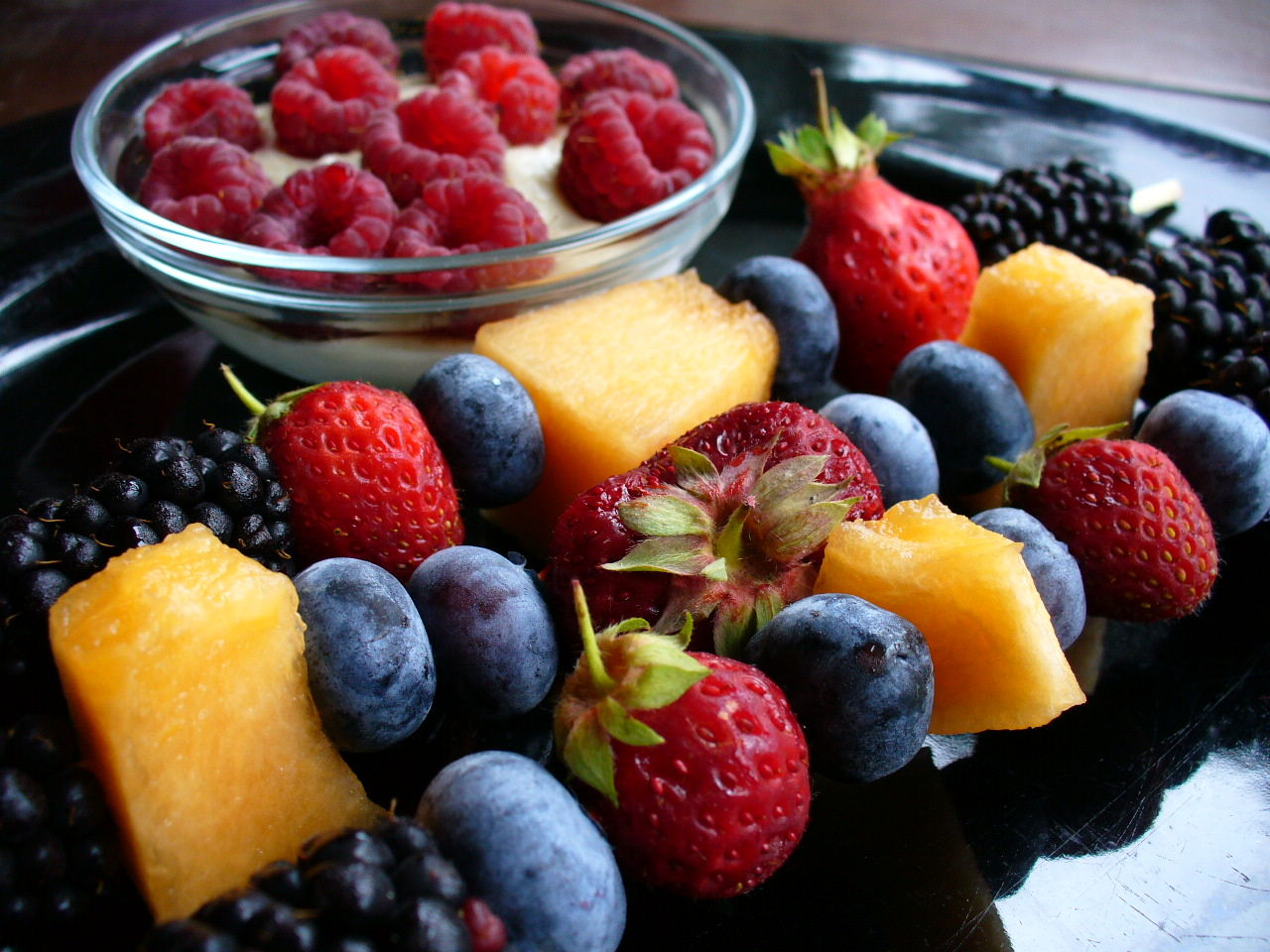
  • Different types of berries: blueberries, blackberries, raspberries, strawberries, cranberries, etc.
  • Tomatoes
  • Spinach, kale, brussel sprouts
  • Potatoes
  • All types of fruits and vegetables
  • Acai
  • High Cocao content chocolate, in particular dark chocolate
  • Beans
  • Flax seeds and other types of seeds
  • Nuts
  • Whole grains
  • Garlic
  • A variety of spices such as cinnamon, cloves, oregano, and turmeric
Spices tend to have very high antioxidant content compared to whole foods (even higher than blueberries, acai, or red wine). Antioxidant content in foods is measured by ORAC score (Oxygen Radical Absorbance Capacity). Here are the ORAC scores of a few common spices and foods:


Food Serving ORAC
(umol TE per serving)
Cinnamon (ground) 1 tsp 6956
Cloves (ground) 1 tsp 6199
Pomegranate Juice 1/2 cup 5853
Red Wine 5 fl. oz 5693
Oregano (dried) 1 tsp 3602
Turmeric (ground) 1 tsp 3504
Blueberries 1/2 cup 4792
Green Tea (brewed) 1 cup 2970
Strawberries 1/2 cup 2969
Parsley (dried) 1 tsp 1869
Asparagus 1/2 cup 1441
Red Grapes 1/2 cup 951

There are tons of delicious sources of antioxidants. There's no reason to spend a lot of money on expensive antioxidant supplements or pills. Every day try to choose as many foods as possible with high antioxidant content. Grab an orange as a healthy snack, sip a cup of green tea or coffee in the morning before work or school, or just sprinkle some blueberries and cinnamon on a big bowl of oatmeal. The possibilities are endless, get creative with it!

Free Daily Deals on Fitness Stuff!